

Table of Contents
- The Real Price Tag: Organic Linen vs Regular Linen
- Benefits of Organic Linen That Justify the Investment
- Cost Per Use: The Math Behind Long-Term Value
- What Organic Linen Certification Actually Guarantees
- How to Care for Linen Clothing So It Lasts for Years
- Who Benefits Most From Choosing Organic Linen
- The Verdict: When Organic Linen Is Worth It and When It Isn't
- Frequently Asked Questions
Last Updated: October 6, 2026
The Real Price Tag: Organic Linen vs Regular Linen
Whether organic linen is worth the extra cost comes down to one question: are you paying for a label or for a longer-lasting garment? At TresAdore, we think the answer sits somewhere in the middle, and it depends on how often you plan to wear the piece. Organic linen is linen made from flax grown without synthetic pesticides or fertilizers, then processed under stricter environmental rules than conventional linen. That difference shows up in the price tag, but not always in the way shoppers expect.
The upfront cost gap is real. A certified organic linen shirt typically carries a higher price than a comparable conventional one, while a blended linen-polyester pant often costs less than both. That is why we build our own collection around pieces like our Men's Pure Linen Casual Shirt, which uses 100% linen fabric, so you can see exactly what you are paying for rather than guessing at a blend ratio.

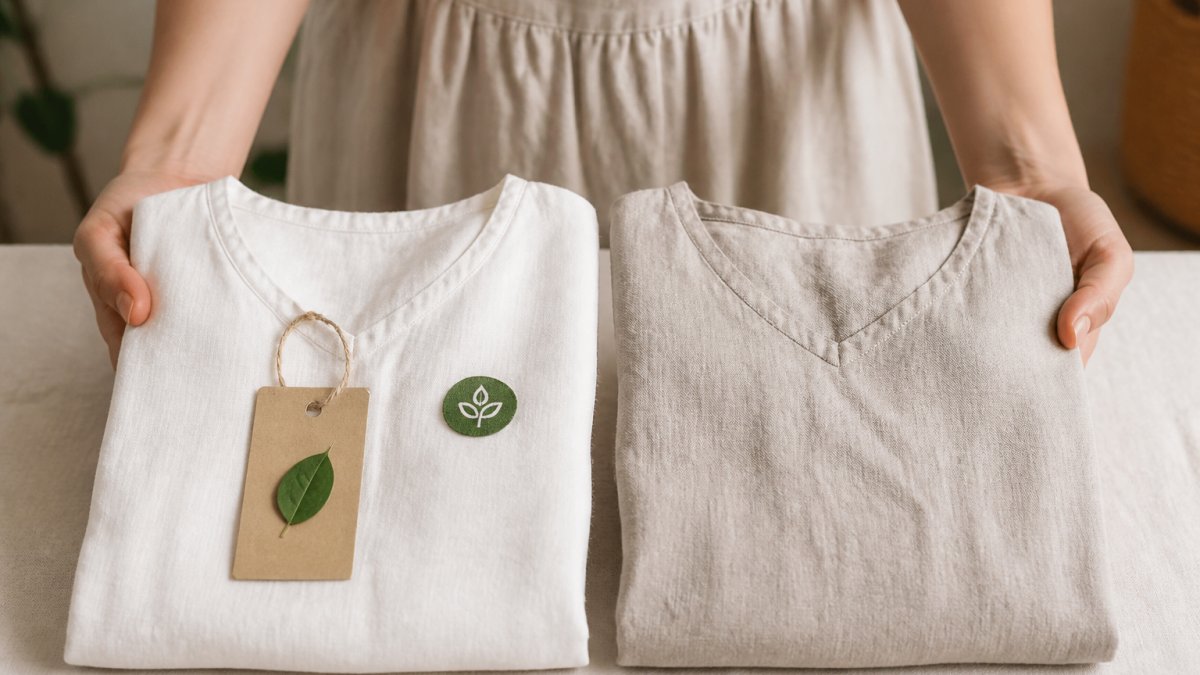
Here is the part most price comparisons skip: the number on the tag is only the first cost. What matters more is how many seasons the garment survives.
Benefits of Organic Linen That Justify the Investment
The benefits of organic linen are mostly practical, not philosophical. Flax fiber is naturally breathable, so air moves through the weave instead of trapping heat against your skin. That is the same reason linen has stayed in warm-weather wardrobes for generations.
What you actually get for the premium:
- Temperature regulation that keeps hot sleepers and summer commuters comfortable
- Moisture-wicking performance, since flax absorbs and releases water quickly
- A fabric that gets softer with every wash rather than pilling
- Fewer chemical residues, because organic production limits the finishing agents used
The trade-off is honesty worth stating: linen wrinkles. If you want a crisp, no-iron finish, linen will fight you. Many shoppers find that the relaxed texture is the point, not a flaw.
Cost Per Use: The Math Behind Long-Term Value
Cost per use, not cost per purchase, is the honest way to compare organic linen with cheaper bedding and clothing. The formula is simple: divide the price by the number of times you realistically wear or wash the item. What most price comparisons skip is that the inputs to that formula, replacement interval, wash frequency, and care cost, vary enormously by fiber and by how you treat the piece.
Run it yourself with explicit assumptions:
- Write down the purchase price.
- Estimate wears or washes per year (be conservative).
- Multiply by the years you expect to keep it before it wears out, tears, or pills beyond use.
- Divide price by total wears.
- Add care costs (detergent, electricity for washing and drying, any repairs) across the same period, then divide again.
A common pattern for a well-made linen shirt worn twice a week is roughly 100 wears per year. If it lasts four years, that is about 400 wears. A cheaper cotton or cotton-blend shirt worn the same amount often shows thinning, fading, or seam stress in one to two years, so the same 100 wears per year yields 100 to 200 wears before replacement.
For bedding, the math is starker because sheets are washed weekly. A linen sheet set washed 52 times a year and kept for five years sees about 260 wash cycles. A cheaper set replaced every 18 months sees roughly 78 wash cycles per set, so you buy three sets over the same five years.
Care costs belong in the comparison too. Linen tolerates cold-water washing and air drying well, which keeps electricity use low. Hot-water washing and high-heat tumble drying shorten fiber life across every natural fiber, so the same garment can have a very different cost per use depending on the household. A mild detergent and skipping fabric softener also preserve the fiber longer, which pushes the denominator up.
This is the same logic that makes a well-made sheet set a better buy than three cheap replacements, and it is why we stock pieces built for repeat wear rather than a single season. The takeaway is not that linen always wins, it is that the comparison only becomes meaningful once you write down your own wear count, replacement interval, and care routine.
What Organic Linen Certification Actually Guarantees
Organic linen certification guarantees how the flax was grown and, in some standards, how it was processed. It does not guarantee softness, fit, or that the garment will last longer than a conventional one. That distinction matters, because shoppers often assume the label covers quality. It covers farming and manufacturing standards instead.
The most commonly cited standards you will see on linen labels are:
- USDA Organic, a government-backed certification for agricultural products, including fiber crops like flax. It addresses how the crop is grown (no prohibited synthetic pesticides or fertilizers, no genetic engineering) and requires record-keeping and third-party inspection. It is a farming standard first; it does not by itself certify the finished garment's construction or softness.
- Global Organic Textile Standard (GOTS), a textile-specific standard that covers both organic fiber content and processing stages, including restrictions on dyes, finishes, and wastewater treatment. It applies to the whole supply chain from fiber to finished product, which is why it is often considered the more comprehensive label for apparel.
- OEKO-TEX Standard 100, a testing standard for harmful substances in finished textiles. It does not certify that the fiber is organic; it certifies that the finished article has been tested against a list of restricted substances. A garment can carry this label without any organic fiber content at all.
What certification does and does not cover:
Men’s Pure Linen Casual Shirt – Lightweight, Breathable & Comfortable Summer →
| Certification covers | Certification does not cover |
|---|---|
| Pesticide and fertilizer limits at the farm | Fabric weight, weave density, or thread count |
| Processing chemical restrictions (varies by standard) | Stitching, seam strength, and construction quality |
| Traceability through the supply chain | Fit, sizing, or comfort |
| Environmental handling and wastewater rules | How long the garment lasts in your closet |
| Restricted-substance testing (for testing standards) | Softness or hand-feel |
For a full breakdown of what these standards require, the USDA Organic regulations explain the production rules behind the label, and the Global Organic Textile Standard publishes the processing criteria. Reading the certification body's own documentation is the only way to know which standard a specific garment actually meets.
The practical rule: match the label to the claim you care about. If your concern is pesticide use at the farm, a farming standard is the right one. If your concern is dye and finish chemistry in the finished garment, a processing or testing standard is the right one. No single label covers everything, and a garment can legitimately carry more than one.
How to Care for Linen Clothing So It Lasts for Years
Care is where linen's cost per use is won or lost. Treat it well and the fiber softens and holds; treat it like a cotton T-shirt and you will shorten its life.
- Wash in cold water on a gentle cycle
- Use a mild detergent and skip fabric softener, which coats the fiber
- Air dry when possible, or tumble on low heat
- Remove from the dryer slightly damp and hang to finish
- Store folded rather than on a hanger to avoid shoulder stretch
For anyone wondering how to care for linen clothing without fuss, the short version is: less heat, less agitation, less detergent. Our Women's Linen Pants use a linen and polyester blend, which is a practical middle ground for shoppers who want the breathable feel with a bit more resilience in the wash.

Who Benefits Most From Choosing Organic Linen
Organic linen pays off most for people who wear the same pieces often. If you are building a small, hard-working wardrobe rather than chasing trends, the cost per use math favors fewer, better items. Hot sleepers and anyone in a warm climate benefit from the breathability regardless of the label.
Three shopper profiles where the premium makes sense:
- The frequent wearer who rotates the same five or six pieces weekly
- The hot sleeper who needs temperature regulation, not just style
- The intentional buyer who would rather own one certified piece than three unverified ones
Where it makes less sense: occasional-wear shoppers, anyone who wants a wrinkle-free finish, and buyers on a tight budget who need volume over longevity. There is no shame in a blend. Our Retro Plus Size Cotton Linen Two-Piece Set gives you the relaxed linen look at a lower entry point.
The Verdict: When Organic Linen Is Worth It and When It Isn't
Organic linen is worth the extra cost when you will wear the piece often and keep it for years. It is not worth it when you need one outfit for one event, or when the certification is the only thing you are buying.
Our honest recommendation: buy organic when the garment is a workhorse, and buy a blend when it is a supporting player. The label tells you how the flax was grown. Your wear count tells you whether that matters for your closet. If you want pieces chosen with that math in mind, our Women's Cotton Linen Capri Pants and the rest of the collection are built for repeat wear rather than a single season.

Frequently Asked Questions
Does it really matter if linen is organic?
Organic linen is grown without synthetic pesticides and processed without harsh chemicals, which reduces environmental impact and may be gentler on sensitive skin. The Global Organic Textile Standard (GOTS) certifies the entire supply chain, from flax cultivation through processing. If you care about chemical-free production, breathability, and sustainability, organic linen delivers measurable differences. If you simply want the look and feel of linen at the lowest price, conventional linen still works, but you may sacrifice durability and peace of mind.
Is organic linen better for sensitive skin?
Organic linen is often a better choice for sensitive skin because it is produced without chlorine bleaches, synthetic dyes, or chemical finishes that can irritate. GOTS certification limits which substances can be used during processing, so the final fabric carries fewer potential irritants. Linen itself is naturally breathable and moisture-wicking, which helps regulate temperature and reduce sweat-related discomfort. If you have reactive skin, choosing certified organic linen is a practical way to lower exposure to processing chemicals.
How can you tell whether linen is certified organic?
Look for a GOTS or USDA Organic label on the product tag or listing. GOTS is the leading global standard for organic textile production and verifies organic fiber content, restricted chemical use, and fair labor practices. A brand that claims organic without a certification logo may still use organic flax, but the claim is not independently verified. Check the certification body's online database to confirm a specific brand or product holds a valid certificate.
How should you care for organic linen so it lasts?
Wash organic linen in cold water on a gentle cycle with a mild, bleach-free detergent. Avoid fabric softeners, which coat the fibers and reduce breathability. Tumble dry on low or hang to dry; high heat weakens linen fibers and causes shrinkage. Iron while slightly damp on a medium setting if you want a crisp finish, or embrace the natural texture. Rotate your linen pieces and store them folded rather than hung to prevent stretching. With this routine, linen clothing can last a decade or more.
The challenge is simple: most wardrobes are full of pieces that were cheap to buy and expensive to replace. At TresAdore, we curate a hand-selected collection of premium apparel designed for intentional living, so every piece earns its place and its cost per wear. Explore breathable, high-performance comfort that elevates your everyday style. Get started with TresAdore and build a wardrobe you actually wear.


