

Table of Contents
- Quick Comparison: 7 Billie Simone Alternatives for Apparel
- What Makes a Great Billie Simone Alternative for Apparel?
- How to Build a Capsule Wardrobe 2026: A Step-by-Step Framework
- 1. TresAdore: Curated Fashion, Wellness, and Tech in One Place
- 2. Eileen Fisher: Timeless Minimalist Capsule Wardrobe Essentials
- 3. Reformation: Sustainable Professional Workwear Brands With a Modern Edge
- 4. Amour Vert: Everyday Luxury With Low Environmental Impact
- 5. Cuyana: Fewer, Better Pieces for the Intentional Wardrobe
- 6. Everlane: Transparent Pricing on Clean Basics
- 7. Kotn: Cotton-First Staples Built to Last
- DIY vs Professional: Should You Build Your Capsule Alone?
- Sizing and Fit: The Part Nobody Tests for You
- Frequently Asked Questions
Last Updated: September 10, 2026
Quick Comparison: 7 Billie Simone Alternatives for Apparel
Finding a true Billie Simone alternative for apparel means weighing fabric quality, fit consistency, and price against how you actually dress. This guide compares seven brands with the same polished aesthetic.
| Brand | Best For | Price Range | Style Focus |
|---|---|---|---|
| TresAdore | Curated fashion, wellness, and tech | $30.99-$63.99 | Elevated everyday pieces |
| Eileen Fisher | Timeless minimalist basics | Mid-to-premium | Relaxed tailoring |
| Reformation | Sustainable workwear | Mid-range | Modern silhouettes |
| Amour Vert | Low-impact everyday luxury | Mid-range | Soft, natural fabrics |
| Cuyana | Fewer, better pieces | Mid-to-premium | Intentional essentials |
| Everlane | Transparent pricing | Accessible | Clean basics |
| Kotn | Cotton-first staples | Accessible | Minimal, durable knits |
The 7 options range from under $40 to premium investment pieces.
What Makes a Great Billie Simone Alternative for Apparel?
A great Billie Simone alternative for apparel delivers three things: consistent sizing, fabrics that hold up to regular wear, and a point of view that makes getting dressed simpler rather than harder.
Most shoppers switching brands care less about logos and more about whether a piece survives a year of washing. Textile Exchange's Materials Benchmark tracks how fibers affect durability and environmental footprint, which is why fabric composition matters more than marketing language.
The Four Material Tests That Actually Predict Longevity
Marketing copy won't tell you whether a garment lasts. These four checks will:
- The stretch-and-recover test. Pull the fabric firmly at the shoulder or knee for five seconds, then release. A quality knit snaps back; a cheap blend stays stretched, the fastest predictor of sagging by month three.
- The light test. Hold the fabric to a window. If you can read text through it, it's likely under 150 GSM, too thin for a work shirt. Durable everyday cotton knits sit between 180 and 240 GSM; French terry runs 280 to 400 GSM.
- The seam inspection. Turn the garment inside out. Look for flat-felled or bound seams at stress points; a raw serged edge with loose threads fails first. Around 10 to 12 stitches per inch is a quality benchmark; 6 to 8 signals cheaper construction.
- The pilling preview. Rub the fabric against itself 20 times. If fibers ball up immediately, expect pilling after a few washes. Cotton and linen resist pilling better than loose-knit acrylic or low-grade polyester.
Why 'Sustainable' and 'Well-Made' Are Not the Same Claim
What most guides miss is that "sustainable" and "well-made" are not the same claim. A brand can use organic cotton and still cut corners on stitching. Check the seams, the weight of the fabric, and the return policy before you commit.
A useful way to think about it: sustainability describes where the fiber came from; craftsmanship describes what happened to it after. A garment can score well on the first and fail on the second. Federal Trade Commission guidance on green claims is worth reading before you trust any sustainability label, because terms like "eco-friendly" are not tightly regulated on their own.
How the Alternatives Stack Up on Materials
- TresAdore: Linen and cotton-linen blends dominate, which is why the Women's Linen Pants at $39.95 and the Cotton/Linen Shirt Dress at $39.95 breathe well and soften with wear. Linen wrinkles, that's the fiber, not a defect.
- Eileen Fisher: Washed linen, organic cotton, and Tencel blends with relaxed tailoring; substantial weight holds shape.
- Reformation: Viscose, Tencel, and recycled fibers. Content varies by style, so check each label.
- Amour Vert: Low-impact fibers like Tencel, modal, and organic cotton. Knits are the strength; structured tailoring is limited.
- Cuyana: Leather goods and knitwear are strongest, with fewer, higher-quality materials per piece.
- Everlane: Clean basics in cotton, denim, and simple knits. Consistent quality, rarely exceptional.
- Kotn: Almost entirely cotton, traceably sourced. Durable knits and simple shirts are the core; formal wear is largely absent.
Durability in the Real World: Gym, Water, and Repeat Washing
The real test is what happens after 20 washes and a few sweaty sessions:

- Linen and cotton-linen blends soften with washing but can shrink 2 to 4 percent on the first hot wash. Cold water and line drying preserve fit.
- Viscose and modal feel luxurious but weaken when wet; tumble drying shortens their life fastest.
- Elastane-blended knits lose recovery with heat; air drying extends elastic life.
- Denim improves with wear but fades with frequent washing. Wash every 5 to 10 wears, inside out, cold.
For gym or sweat exposure, prioritize natural fibers with a bit of weight and avoid thin, high-stretch blends.
How to Build a Capsule Wardrobe 2026: A Step-by-Step Framework
Building a capsule wardrobe in 2026 starts with a fixed palette, a target piece count, and a rule that every new item works with at least three existing ones.
Total Time: 2-3 hours for planning, spread over a week Difficulty: Beginner
- Audit what you own. Sort into keep, repair, and donate.
- Pick a 3-color base. Neutral tones make mixing effortless.
- Set a piece target. Most capsules land between 30 and 40 items, including shoes.
- Identify gaps. List specific holes, not vague wants.
- Buy slowly. Add one piece at a time and test it in real outfits.
- Track wear. Note what you actually reach for each week.
- Refresh seasonally. Swap two or three pieces, not the whole closet.
Expected Result: A wardrobe where nearly every piece earns its space, and getting dressed takes minutes.
1. TresAdore: Curated Fashion, Wellness, and Tech in One Place
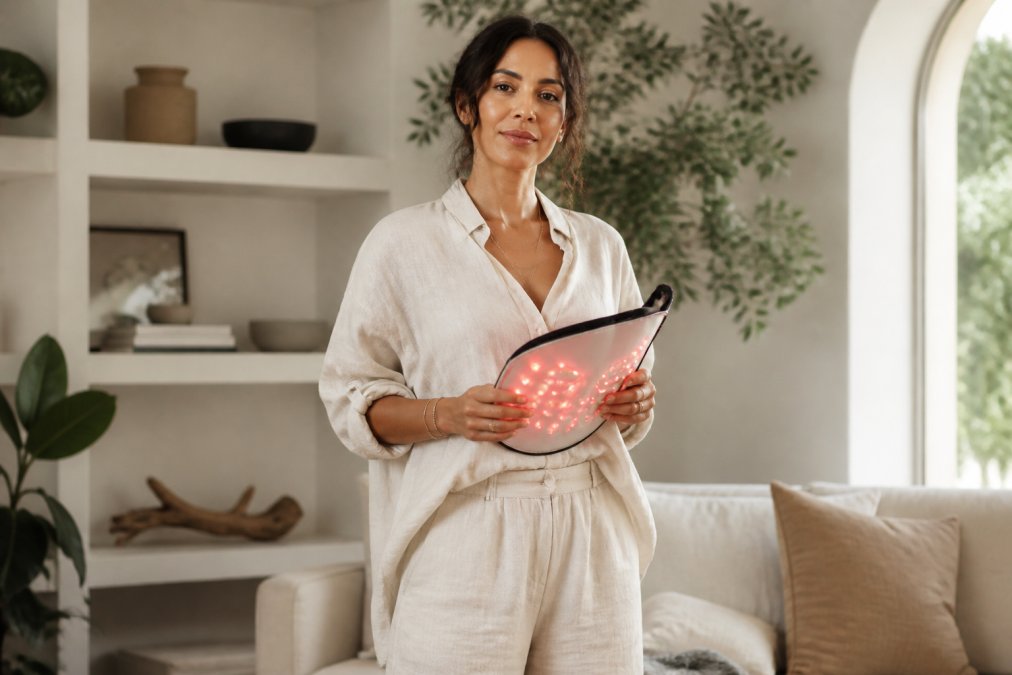
TresAdore is the top pick because it treats apparel as part of a broader lifestyle. It curates apparel, fine jewelry, and wellness technology together, so one order can cover a work outfit and a recovery tool.
Key Pieces and Pricing
The lineup leans on breathable, natural-fiber staples. Standouts include the Women's Linen Pants at $39.95, a wide-leg cut with elastic waist and functional pockets, and the Cotton/Linen Shirt Dress at $39.95 with a deep V-neck and flutter sleeves. For layering, the Lace Patchwork Puff Sleeve Blouse at $49.95 works for casual and office settings, while the Women's Relaxed Fit Jumpsuit at $37.99 removes the morning decision.

Pros and Cons
Pros:
- Curated mix of apparel, jewelry, and wellness tech in one store
- Breathable linen and cotton blends suited to daily wear
- Accessible pricing, most pieces under $50
Cons:
- Smaller catalog than mass-market retailers
- Limited size runs on some styles
- Fewer deep discounts than fast-fashion competitors
2. Eileen Fisher: Timeless Minimalist Capsule Wardrobe Essentials
Eileen Fisher built its reputation on relaxed tailoring and a neutral palette that rarely dates. If your capsule leans minimalist, this is the reference point many stylists still use.
The trade-off is price. Pieces sit in the premium tier, and the silhouettes run loose, which suits some body types better than others. The brand's resale program is a genuine plus for shoppers who want to test the fit before committing.
Ellen MacArthur Foundation's work on circular fashion explains why resale and repair programs matter for extending a garment's life, which is central to the capsule approach.
3. Reformation: Sustainable Professional Workwear Brands With a Modern Edge
Reformation targets shoppers who want sustainable professional workwear brands that still look current. Cuts are sharper than Eileen Fisher's, and fabric sourcing is documented more openly than most mid-range labels. Sizing runs small, order up if between sizes, and check fabric content per style.
4. Amour Vert: Everyday Luxury With Low Environmental Impact
Amour Vert positions itself around low-impact fabrics and soft, wearable basics. The everyday luxury framing holds up for knits and tees, though structured pieces are limited. It skews casual, strong for a relaxed wardrobe, less so for boardroom tailoring.
5. Cuyana: Fewer, Better Pieces for the Intentional Wardrobe
Cuyana's entire pitch is the "fewer, better" philosophy, which maps directly onto minimalist capsule wardrobe essentials. Leather goods and knitwear are the strongest categories.
The one drawback is that "fewer, better" comes with fewer, higher prices. Budget accordingly, and treat each purchase as a multi-year decision rather than a seasonal one.
Federal Trade Commission guidance on green claims is worth reading before you trust any sustainability label, because terms like "eco-friendly" are not tightly regulated on their own.
6. Everlane: Transparent Pricing on Clean Basics
Everlane made its name on cost breakdowns and clean, unfussy basics. For a starter capsule, the tees, denim, and simple knits cover a lot of ground at accessible prices. Quality is consistent but rarely exceptional.
7. Kotn: Cotton-First Staples Built to Last
Kotn focuses almost entirely on cotton, with traceable sourcing and a tight range of essentials, a reliable pick for capsules built on durable knits and simple shirts. The limitation is range: little here for formal wear or statement pieces, so treat Kotn as a foundation layer.
DIY vs Professional: Should You Build Your Capsule Alone?
Most people can build a capsule wardrobe alone with a color rule and a piece target. A stylist helps when rebuilding after a major life change, a career shift or body change, or when impulse buying has left you unsure what suits you.
- DIY if: you know your palette, your size is consistent across brands, and you enjoy shopping.
- Hire a stylist if: you've purged your closet twice and still feel stuck, or you need a wardrobe for a specific role.
- Do a hybrid if: you want a second opinion on a few high-cost pieces.
Sizing and Fit: The Part Nobody Tests for You
Sizing is where most brand switches fail. A medium at one label is a large at another, and linen blends shrink differently than cotton or polyester. This section covers apparel and wearable tech, because if you layer a fitness ring or tracker under your clothes, fit affects more than looks.
Step 1: Measure, Then Compare to the Brand's Own Chart
Before ordering, measure your waist, hip, and inseam, then compare to the brand's own size chart, not a generic conversion table.
- Measure over the layer you'll wear most. A waist measured over leggings can be half an inch to an inch larger than over bare skin.
- Check the chart's units. Some brands list inches, some centimeters, and a few mix them.
- Look for the fit model's stats. If the brand lists the model's height and size worn, that's the most useful data point on the page.
Step 2: Account for Fiber Behavior
Fit changes with fiber and care:
- Linen and cotton-linen blends typically shrink 2 to 4 percent on the first hot wash. If between sizes, size up or commit to cold wash and line dry.
- 100% cotton may shrink 3 to 5 percent if not pre-shrunk. Most quality brands pre-shrink, but the label will tell you.
- Viscose, modal, and rayon can shrink more aggressively and lose shape when wet.
- Elastane blends relax with wear and recover after washing, a snug fit at purchase often becomes right after a day of wear.
A relaxed fit is safer for linen and cotton blends, because it tolerates shrinkage.
Step 3: The Fitment Guide Nobody Publishes, Wearables Under and Over Clothes
This is the gap most apparel guides skip. If you wear a fitness ring or wrist tracker, how clothing sits on top changes both comfort and sensor accuracy.
For fitness rings:
- Finger choice matters. The index, middle, and ring fingers give the strongest optical signal; the pinky and thumb are less reliable.
- Dominant vs. non-dominant hand. Many users find the non-dominant hand reads more consistently because the ring shifts less.
- Swelling changes fit. Fingers swell with heat, salt, and time of day. Most manufacturers recommend a snug-but-removable fit.
- Gloves and mittens can compress a ring and reduce signal. In cold weather, move the ring to a less-covered finger.
- Tight sleeves and cuffs can push a ring against the finger joint, causing discomfort and signal loss. Looser cuffs and three-quarter sleeves avoid the issue.
For wrist trackers:
- Band tightness should let the sensor sit flat against the skin without deep marks. A band that slides during workouts produces gaps in heart-rate data.
- Long sleeves can interfere with optical heart-rate sensors by letting light in at the edges. If you wear a tracker under a sleeve, check the reading during a workout.
- Layering jewelry over a tracker is a styling choice, but metal bangles and rigid cuffs can scratch the sensor housing. Soft cords and fabric bands are safer.
Step 4: Test the Fit Before You Commit
A simple protocol that saves returns:
- Wear the piece for a full day indoors before removing tags, if the return policy allows.
- Sit, stand, and reach overhead. Check for pulling at the shoulders and gaping at the waist.
- Wash once, cold, and air dry. Re-check the fit. If it still works, it will likely keep working.
- Test with your wearable on. Put on the ring or tracker with the garment and move through your normal routine.
This is where TresAdore's approach helps. The Women's Cotton Linen Capri Pants at $30.99 use an elastic waist with a relaxed harem cut, which tolerates size variation better than a rigid tailored waistband. The Women's Relaxed Fit Jumpsuit at $37.99 follows the same logic.

A Quick Fit Reference by Fiber
| Fiber | Typical Shrinkage | Fit Behavior | Best Care |
|---|---|---|---|
| Linen / cotton-linen | 2-4% first wash | Softens, relaxes | Cold wash, line dry |
| 100% cotton (pre-shrunk) | Under 2% | Stable | Cold wash, low tumble |
| 100% cotton (not pre-shrunk) | 3-5% | Tightens | Cold wash, line dry |
| Viscose / modal / rayon | Variable, can be high | Loses shape when wet | Hand wash, flat dry |
| Elastane blends | Minimal | Relaxes with wear, recovers | Cold wash, air dry |
Use this as a starting point, not a substitute for the brand's care label. When in doubt, size for the fiber, not the tag number.
Frequently Asked Questions
What are the best brands for a professional capsule wardrobe?
The best brands for a professional capsule wardrobe combine quality fabrics, timeless silhouettes, and ethical production. Look for labels that offer breathable linen pants, structured blazers, and versatile dresses. Brands like Eileen Fisher, Cuyana, and TresAdore focus on minimalist capsule wardrobe essentials that mix and match easily. Prioritize pieces you can wear at least twice a week across seasons. A good rule is to invest in fabrics that resist wrinkling and hold their shape after repeated washes.
How do I style jewelry with professional apparel?
Keep jewelry minimal and intentional for workwear. A single pair of gold hoops, a delicate necklace, or a thin bracelet adds polish without distracting. For a capsule wardrobe 2026, choose one metal tone and stick with it so every piece works together. If your outfit has a high neckline, skip the necklace and opt for statement earrings. With a deep V-neck, a simple pendant works well. The goal is to complement your outfit, not compete with it.
What is a ring jacket and why is it popular?
A ring jacket is a protective sleeve that fits over a ring to prevent scratches, reduce spinning, and add a decorative element. It lets you change the look of a favorite ring without resizing or resetting it. Ring jackets are common in fine jewelry, especially for engagement rings and heirloom pieces. They can be made from precious metals, silicone, or gemstone-set bands. This accessory protects your investment while offering style versatility for daily wear.
How can I elevate my everyday workwear look?
Elevate workwear by focusing on fit, fabric, and one standout accessory. Swap basic cotton tees for breathable linen or silk-blend blouses. Add a tailored blazer or a structured wide-leg trouser in a neutral color. A single piece of fine jewelry, like a gold chain or a ring jacket, can make a simple outfit feel intentional. Keep colors within a cohesive palette such as navy, cream, and camel. Well-maintained shoes and a quality bag also lift the overall look.
Where can I find sustainable, high-quality professional clothing?
Sustainable professional workwear brands often sell directly online or through curated marketplaces. Look for certifications like GOTS for organic cotton or B Corp status. TresAdore offers a hand-selected collection of premium apparel, including breathable linen pieces and relaxed tailoring. Other options include Reformation, Amour Vert, and Pact. Check return policies and fabric composition before buying. Investing in fewer, better-made items reduces waste and ensures your wardrobe lasts beyond a single season.
Switching brands is the easy part. Building a wardrobe where every piece earns its place takes a system, and that's where TresAdore fits. The store curates breathable linen and cotton apparel alongside wellness technology, so you can refresh your closet and your routine in one place. Explore the collection and start with one piece you'll actually wear this week.


